What’s Happening Beneath Your Dock? Hidden Piling Damage Every Gulf Coast Waterfront Owner Should Know About
Your Dock May Look Fine Above the Water. But What's Happening Below?
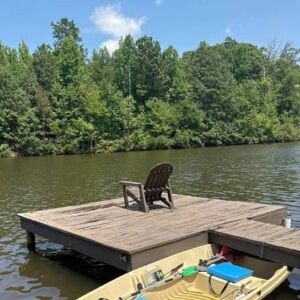
For waterfront property owners along Mobile Bay, Dog River, Fowl River, and the Eastern Shore, a dock or pier is more than just a place to park a boat. It's an investment in your property and your waterfront lifestyle.
But while homeowners often pay attention to loose deck boards, damaged railings, and other visible maintenance issues, some of the most serious structural problems can develop where they're hardest to see—beneath the water.
Marine pilings are the foundation of your dock or pier. They support the structure and are constantly exposed to moisture, changing water levels, currents, and marine organisms.
Over time, these conditions can cause significant deterioration, even when the decking and other visible components appear to be in good condition.
At PATE Civil & Marine, we bring more than 30 years of construction experience to marine construction projects throughout Mobile and Baldwin counties, Alabama. We understand the importance of identifying structural problems before they lead to more extensive damage or costly reconstruction.
1. Marine Borers: Tiny Organisms That Can Cause Major Damage

One of the lesser-known threats to wooden docks and piers is marine borer damage. Marine borers, including shipworms, can tunnel into submerged timber. Over time, their activity can significantly weaken wooden pilings while leaving relatively little visible evidence on the outside. For waterfront property owners along Mobile Bay and the surrounding coastal waterways, this makes the condition of submerged pilings particularly important.
2. Wood Rot and Deterioration at the Waterline
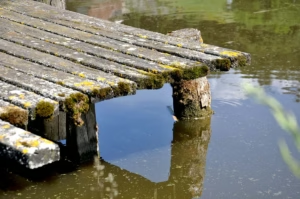
The area where your dock pilings meet the water deserves special attention. Repeated moisture exposure, damaged protective treatments, and fungal activity can contribute to timber deterioration. Common warning signs include darkened or softened wood, splitting, visible decay, and deteriorating connections. According to federal waterfront maintenance guidance, inspectors should pay particular attention to piling connections, areas of damaged protective treatment, and locations where moisture can promote deterioration. Unfortunately, not all damage is visible from above the water. A piling may require a more detailed inspection to determine the extent of deterioration.
3. Shifting Pilings and Structural Instability

Have you noticed that your dock feels less stable than it used to? Leaning pilings, unusual movement, sagging decking, and loose structural connections may indicate problems with the dock's support system. These conditions can develop because of storm damage, vessel impacts, erosion around piling foundations, or deteriorating structural components. If your dock has developed noticeable movement or appears to be shifting, avoid using the affected area until its structural condition has been evaluated. Ignoring the problem can allow damage to spread to other parts of the structure.
4. Can Damaged Dock Pilings Be Repaired?
Not every damaged piling requires complete replacement. The appropriate repair depends on the piling material, the location and severity of deterioration, the structural loads, and the condition of the surrounding dock.
Possible solutions include:
-
Piling jackets: Suitable systems may help restore or protect certain damaged pilings when properly designed.
-
Piling replacement: Severely deteriorated or structurally compromised pilings may require removal and replacement.
-
Structural reinforcement: Additional bracing or replacement connections may be appropriate for certain conditions.
-
Dock reconstruction: When deterioration is extensive, replacing larger portions of the structure may be more practical than individual repairs.
Some repairs require structural engineering and permitting. A qualified evaluation should determine whether the existing pilings can safely remain in service.
5. Why Early Detection Can Save Waterfront Property Owners Money
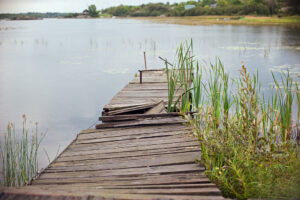
Minor structural deterioration can become a much larger problem when left unaddressed. For example, a damaged piling may place additional stress on neighboring structural members. Over time, the problem can affect the dock's decking, beams, and connections. Identifying deterioration early may allow property owners to address isolated problems before extensive reconstruction becomes necessary. A waterfront maintenance manual published through NOAA emphasizes that early recognition of timber deterioration can lead to more economical repairs. If your dock has survived several years of Gulf Coast storms, regular condition assessments are especially worthwhile.
6. Marine Construction and Piling Replacement in Mobile and Baldwin Counties

From the protected waterways of Dog River and Fowl River to waterfront properties along Mobile Bay and the Eastern Shore, marine structures face different environmental challenges. PATE Civil & Marine provides marine construction services throughout Mobile and Baldwin counties, including dock and pier construction, piling installation, bulkhead construction, boat lifts, and waterfront improvements. With over 30 years of construction experience, our team understands the importance of using appropriate materials and construction methods for Gulf Coast waterfront properties. Whether you're dealing with deteriorating dock pilings, planning to replace an aging pier, or considering a larger waterfront renovation, we're ready to discuss your project.
Don't Wait Until Your Dock Becomes Unsafe
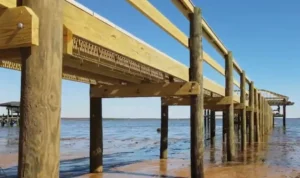
Your dock's structural integrity depends on much more than what you can see from the surface. If you've noticed leaning pilings, damaged timber, unusual movement, or other signs of deterioration, addressing those concerns early may help prevent more extensive damage.
Contact PATE Civil & Marine to discuss dock piling repair, replacement, and marine construction services throughout Mobile and Baldwin counties, Alabama.